After the First Drop
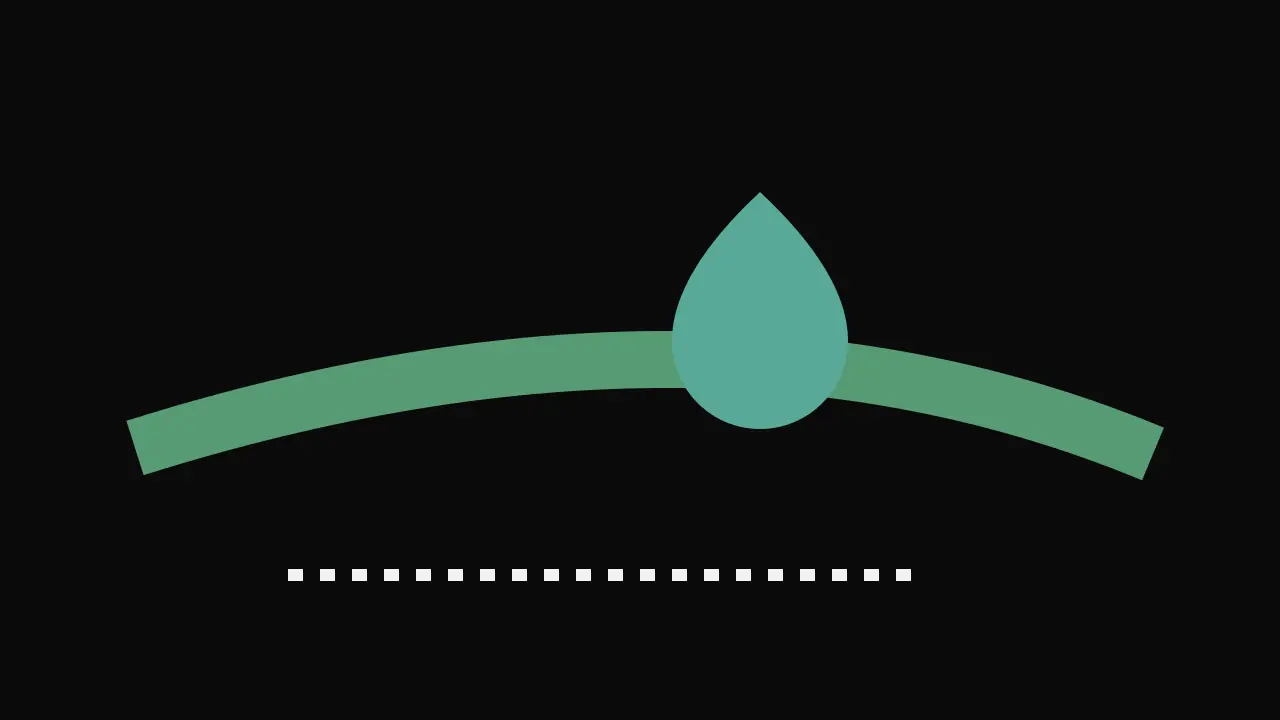
A round drop sat near the center of the leaf in our first reference scene. Our movement test let it roll toward the shore as soon as the scout began crossing. The rolling water looked big at that height. It also blocked every path together. The scout needed a way to learn from that change, so we fixed the place where the drop began and let the two sides of the leaf respond differently.
Identify the direction of the first roll
The upper leaf has a steep corner near the root. A drop can reach it by following the margin around a short bend. The center ridge changes how much of the wet surface is visible from below. A scout that has already seen the slope can compare where the larger drop is likely to go. The first part of the route keeps the water in view long enough to notice its position beside the ridge.
In the first motion test the drop jumped to a low patch. From the bank this resembled a new obstacle appearing at the narrowest place. The new sequence preserves an ordinary start, a short movement along the edge and a settling point beside the root. A quiet change in the leaf’s surface indicates movement before the drop reaches the lower part of the path.
Let the drop affect the route it reaches
The larger drop can cover a part of the high path near the bend and leave the route underneath visible. That narrower change gives the scout a decision. They can move below the ridge and look at the drop from its side. They can also return along the vein before entering the next part of the hollow. The side of the drop remains in view when it blocks the most obvious way forward.
We drew a softer reflection over the wet surface instead of placing a warning light above it. The reflection helps a reader recognize the new position. It does not turn the whole leaf into a hazard. The edge of the dry route stays dark green. A scout can compare the wet surface against it without having to name the exact place where the drop started.
Use a fresh view before sending the scout across
The lower approach shows the top of the root and the dry branch of the vein. The drop moves along the upper edge almost directly above it. That makes the upper route look quite close while leaving a useful separation between the two levels. We keep the view open after the first movement, so the player can see whether water actually reached the underside before changing the direction of their trip.
During a second review the scout starts farther along the bridge before the drop begins to shift. There is a smaller refuge below the tear. The player can return there and see what happened from a position they already passed. If water fills the top path late, it should leave the player with a reason to consider a short retreat instead of forcing another complete start from the moss.
Compare the route offered by the shaded leaf
The Leaf Span uses the upper and lower surfaces in the same first crossing. Vein Under the Leaf describes where the scout can turn back to the root. At the end of the next test we’ll ask a player to show where the drop went and identify a place that stayed dry. That pair of observations should explain why looking from underneath can be more useful than charging toward the far bank after the first change.
The underside gives the scout time to inspect the change.