When Two Drops Look Like One
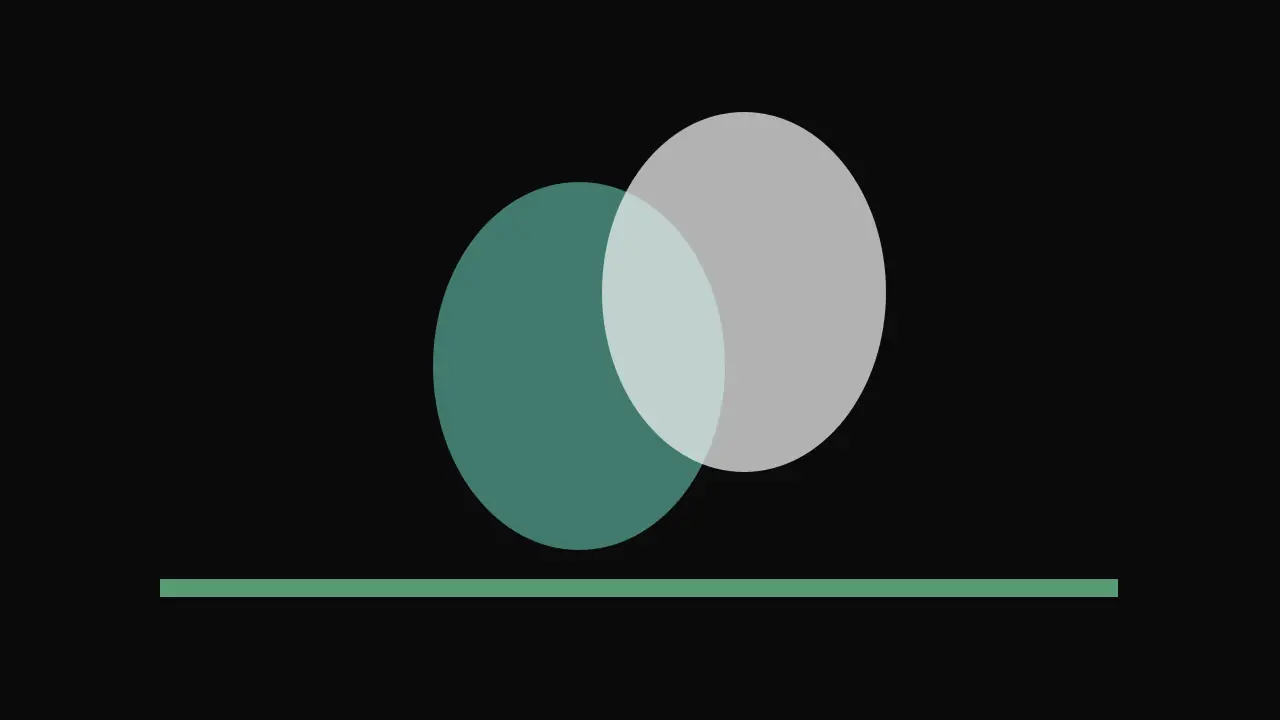
In the first picture of the reed, one bright droplet hid another directly behind it. The scout proceeded toward what looked like one obstacle. At a second angle the nearer drop shifted aside, revealing more water above the route. We kept that overlap and changed where the next view became available. It now gives the scout a reason to move around a safe collar before climbing.
Set a clear starting view from below
At the moss bank the front drop has a pale reflection shaped like a little hook. Through it the farther drop contributes a bright edge on the same side. The two reflections can look attached. A scout from below can still explain where the visible obstacle starts. The shape provides the initial problem without suggesting that the larger bright area is actually one piece of water.
We found that a dark background made the overlap more useful. If both drops appeared near a bright sky, the same combined reflection lost its edge. The current view puts them beside a shaded patch of moss. The front rim is visible far enough that a slight turn can reveal where the second begins. This gives the scout something to compare while retaining a realistic sense of reflective water at this distance.
Choose a rotation with the dry collar in view
The scout can step toward the collar and follow part of it around the stem. A stable fiber stays visible underneath the front drop. At the next view its reflection moves toward the far right, while a second outline becomes visible behind it. The shallow gap between the two starts to matter because one drop is on the other side of the usable route. The scout can see where water begins on the closest surface.
An early camera swing traveled too far around the reed in one motion. The two drops separated and the scout lost the bank. We reduced the turn and held the collar in the lower part of both frames. The player then has a reason to believe the near drop and farther one were in the same space instead of appearing in different versions of the scene. They can return to the first position to check the overlap again.
Check the upper grip after separating the silhouettes
A dry fiber becomes available on the closer side after the second view. The far drop uses a section beyond it, and the scout can examine when that area becomes shaded by the stem. We keep the gap visible midway through the climb. It gives the player a useful choice if they find the nearer drop is covering more of the high part than expected.
The prototype also allows a small return before the next grip. A scout already above the collar can use the same view to look back at the two outlines. A bigger route change might be needed after the water moves. For the current exercise we want to preserve the nearest place where the traveler can check that the surfaces are distinct. Waiting there can teach more about the next step than following the brightest shape upward.
Keep both pictures tied to the route
The Reed Line puts the high view a short distance from the collar. Collar at Stem Height records why the dry place is more than a part of the decoration. The next review asks someone to say which drop is in the way and report where that judgment changed. When the scout can make that comparison and still find their next grip, the change in scale has shown something useful about the route.